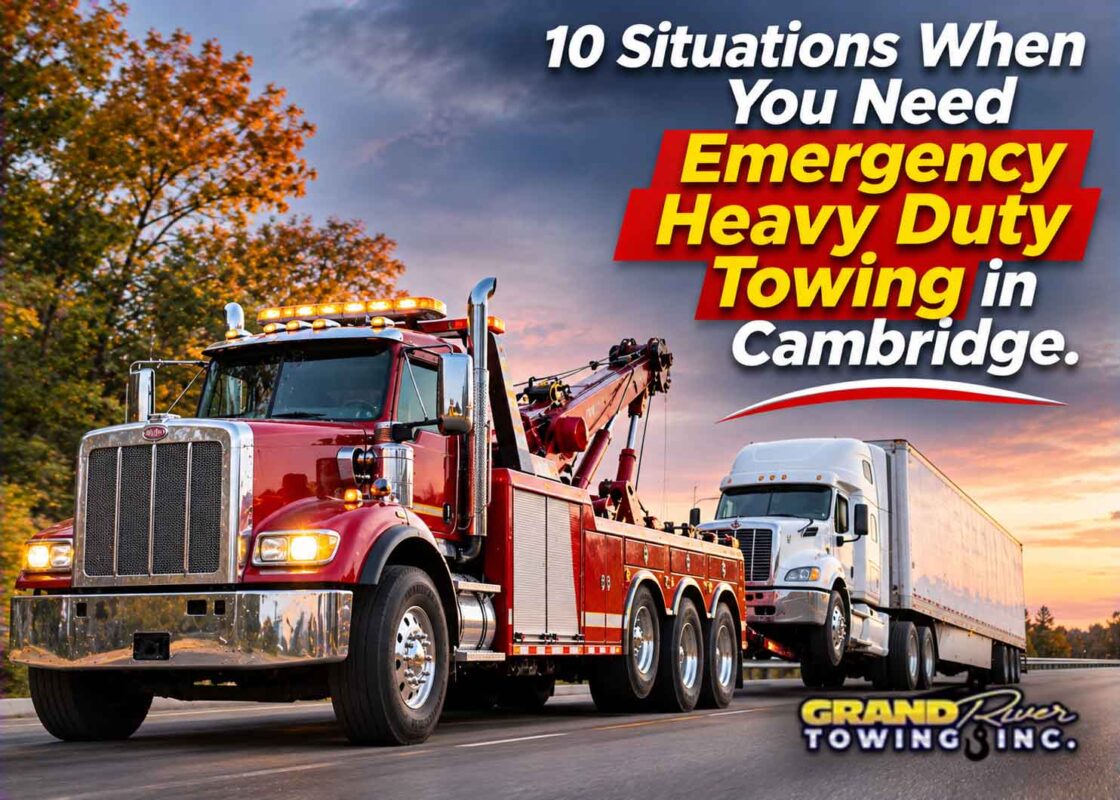
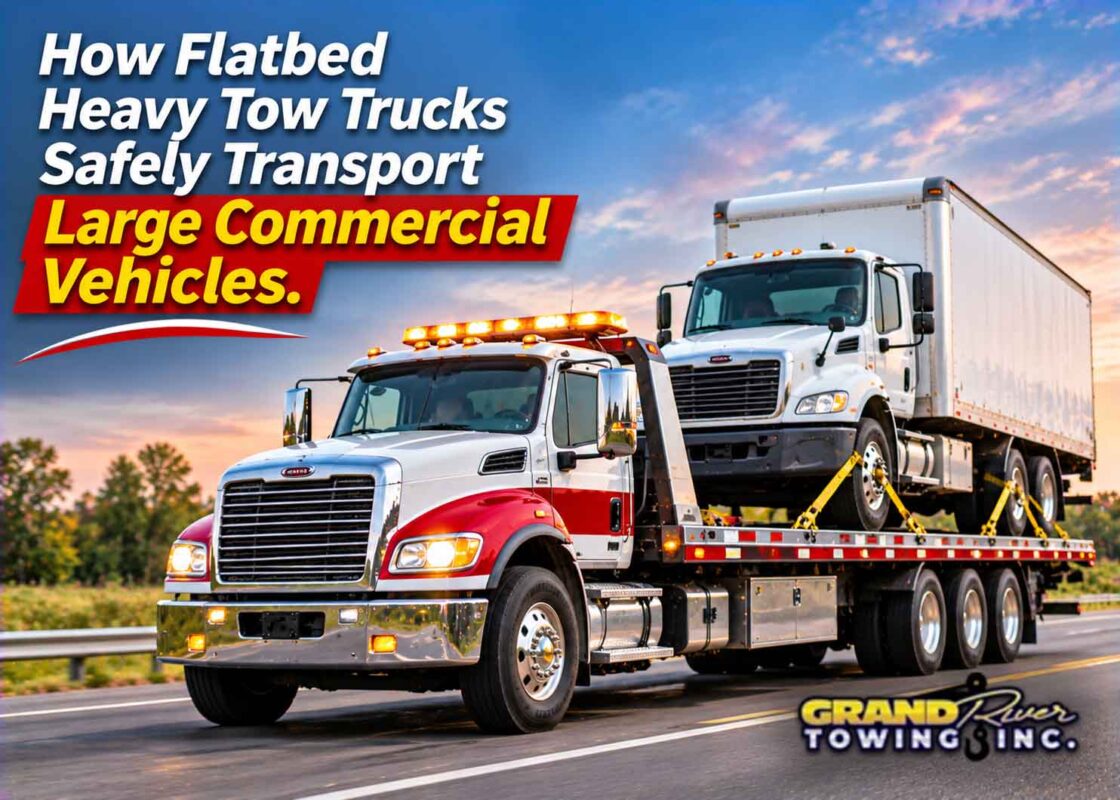
Moving a commercial vehicle isn’t the same job as towing a sedan — the weight, dimensions, and mechanical complexity all demand equipment built specifically for the task. Heavy Duty Towing Cambridge providers rely on flatbed trucks for exactly this reason: they eliminate the risks that come with dragging a large vehicle on its own wheels. FMCSA data shows tire-related issues alone contribute to 8,000 to 11,000 commercial truck crashes every year — a reminder of how much can go wrong with heavy vehicles already in motion, let alone during an improperly handled tow. This blog explains how flatbed towing actually works for large commercial vehicles. heavyvehicleinspection
Key Takeaways
- Flatbed towing eliminates wear and mechanical stress that wheel-lift towing puts on a commercial vehicle’s drivetrain
- Flatbed Heavy Duty Towing Cambridge trucks are rated for specific weight classes — matching capacity to the vehicle matters
- Proper load securing with chains and straps is critical for safety during transport, especially at highway speeds
- Commercial Vehicle Towing Cambridge often requires permits for oversized loads depending on the vehicle’s dimensions
- A flatbed is the only safe option for a vehicle with a damaged or non-functional drivetrain
Table of Contents
- Why Flatbed Towing Is the Standard for Commercial Vehicles
- How Does Loading a Commercial Vehicle Actually Work?
- What Equipment Makes Flatbed Towing Safe at Scale?
- What Permits or Regulations Apply to Oversized Loads?
- When Is Flatbed Towing the Only Safe Option?
Why Flatbed Towing Is the Standard for Commercial Vehicles
Flatbed towing lifts the entire vehicle off the road surface, eliminating the mechanical stress and wear that wheel-lift towing puts on axles, transmissions, and drivetrains. For a large commercial vehicle, that stress is magnified by sheer weight, making flatbed transport the safer and more common choice.
It also means the towed vehicle’s own wheels, brakes, and steering aren’t factors during transport — critical when the vehicle being moved may have mechanical issues that caused the breakdown in the first place.
How Does Loading a Commercial Vehicle Actually Work?
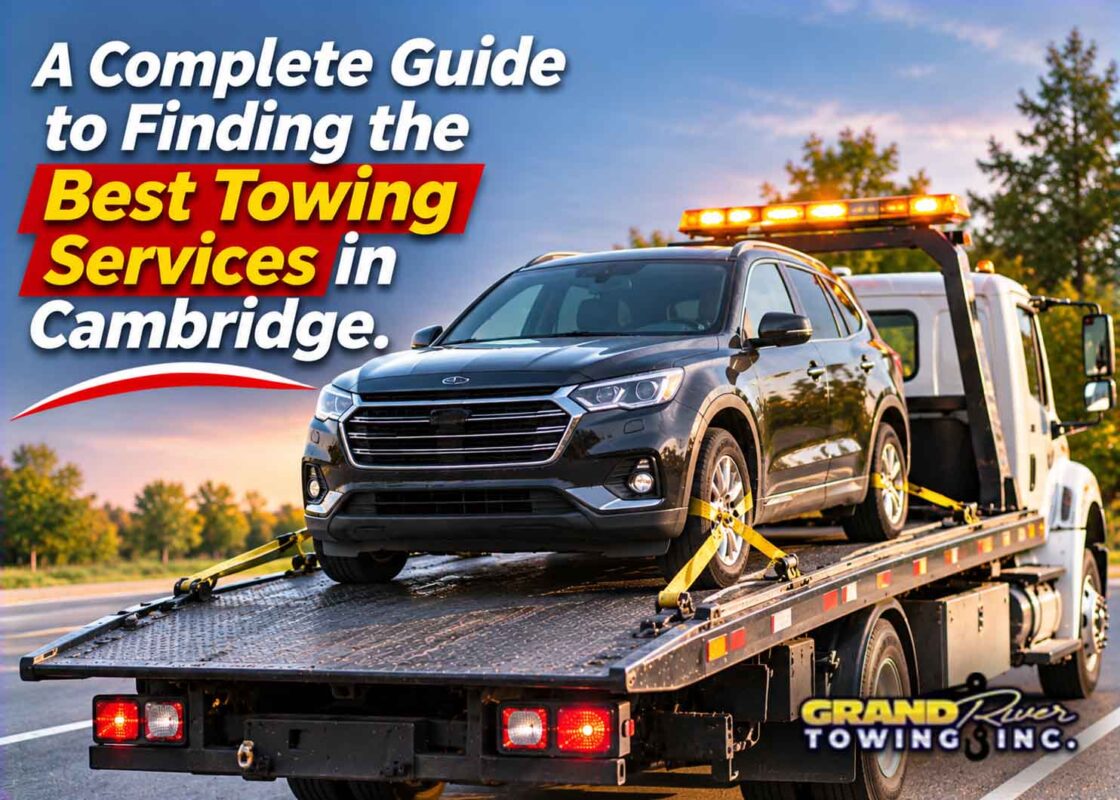
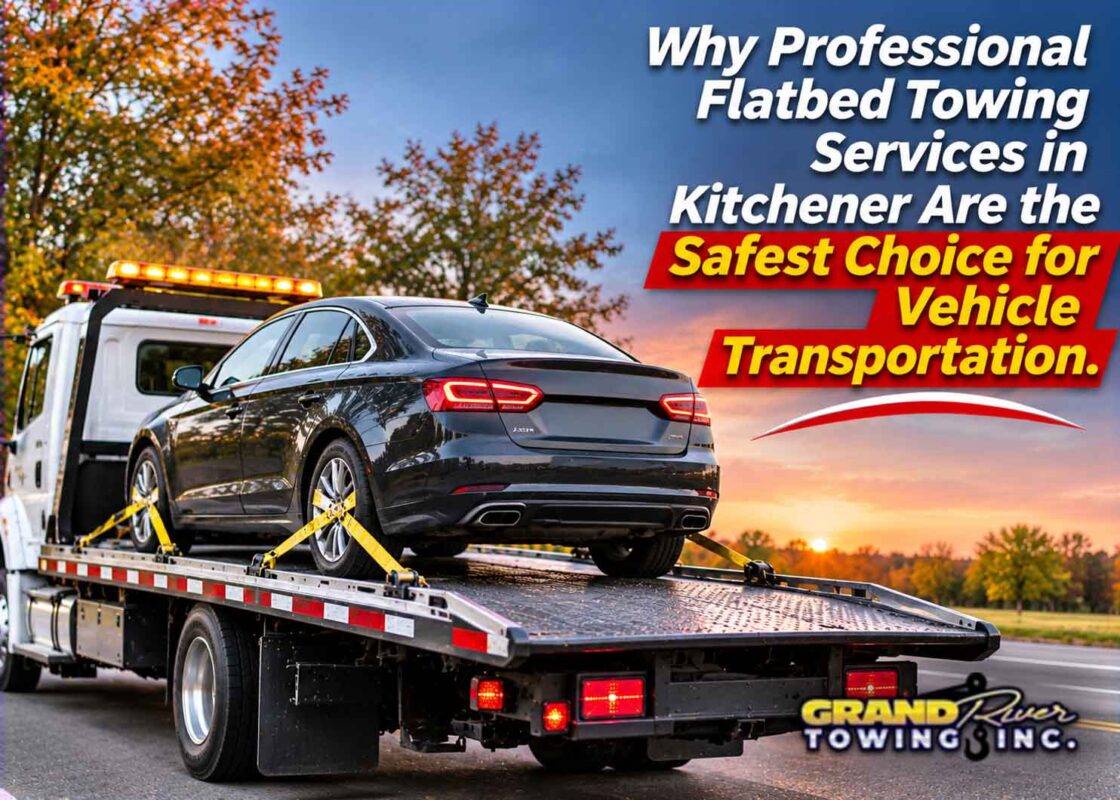
The flatbed lowers hydraulically to ground level, the vehicle is winched or driven onto the deck, and then it’s secured with multiple chains and straps rated for the vehicle’s weight. Flatbed Heavy Duty Towing Cambridge operators follow specific load-securement standards to ensure nothing shifts during transport.
For non-running vehicles, a winch pulls the vehicle up the ramp using a cable system rated well above the vehicle’s actual weight, providing a safety margin throughout the process.
What Equipment Makes Flatbed Towing Safe at Scale?
Heavy-duty flatbeds use hydraulic tilt decks, high-capacity winches, and multiple-point tie-down systems specifically engineered for commercial vehicle weights. The deck itself is rated for a specific maximum load, which operators must respect to avoid structural risk during transport.
| Equipment feature | Purpose |
| Hydraulic tilt deck | Allows safe loading without steep ramp angles |
| High-capacity winch | Moves non-running vehicles onto the deck safely |
| Multi-point tie-downs | Prevents shifting during transport at highway speed |
| Rated weight capacity | Matches truck capability to specific vehicle classes |
What Permits or Regulations Apply to Oversized Loads?
Depending on the commercial vehicle’s width, height, and weight, transport may require specific oversize load permits from the Ministry of Transportation. Commercial Vehicle Towing Cambridge operators handle this permitting as part of the service when it’s required, rather than leaving it to the vehicle owner.
When Is Flatbed Towing the Only Safe Option?
Flatbed towing becomes the only safe option when a vehicle has a damaged drivetrain, non-functional brakes, or structural damage that makes rolling on its own wheels unsafe. Any vehicle involved in a collision serious enough to affect steering or braking should move by flatbed, regardless of how it looks otherwise.
Need to move a commercial vehicle safely? Contact Grand River Towing for professional flatbed service built for heavy-duty transport.
Frequently Asked Questions
Can any tow truck handle a large commercial vehicle?
No. Standard tow trucks are rated for passenger vehicles and light trucks. A commercial vehicle requires a heavy-duty flatbed specifically rated for its weight class, or the equipment risks failure during transport.
Is flatbed towing more expensive than standard towing?
Generally yes, given the specialized equipment and often longer loading time involved. The cost reflects the equipment capability needed to safely move a significantly heavier vehicle.
Do I need a permit to have my commercial vehicle towed?
It depends on the vehicle’s dimensions once loaded onto the flatbed. Your towing provider typically handles any required oversize permits as part of arranging the transport.
Can a flatbed move a vehicle with no working brakes?
Yes — that’s actually one of the main reasons flatbed towing exists. Since the vehicle is lifted entirely off the road, its own brakes and drivetrain condition don’t factor into the transport.
How long does it take to load a commercial vehicle onto a flatbed?
It varies by vehicle condition and size, but a straightforward loading typically takes 15 to 30 minutes. A non-running vehicle requiring a full winch recovery can take longer.