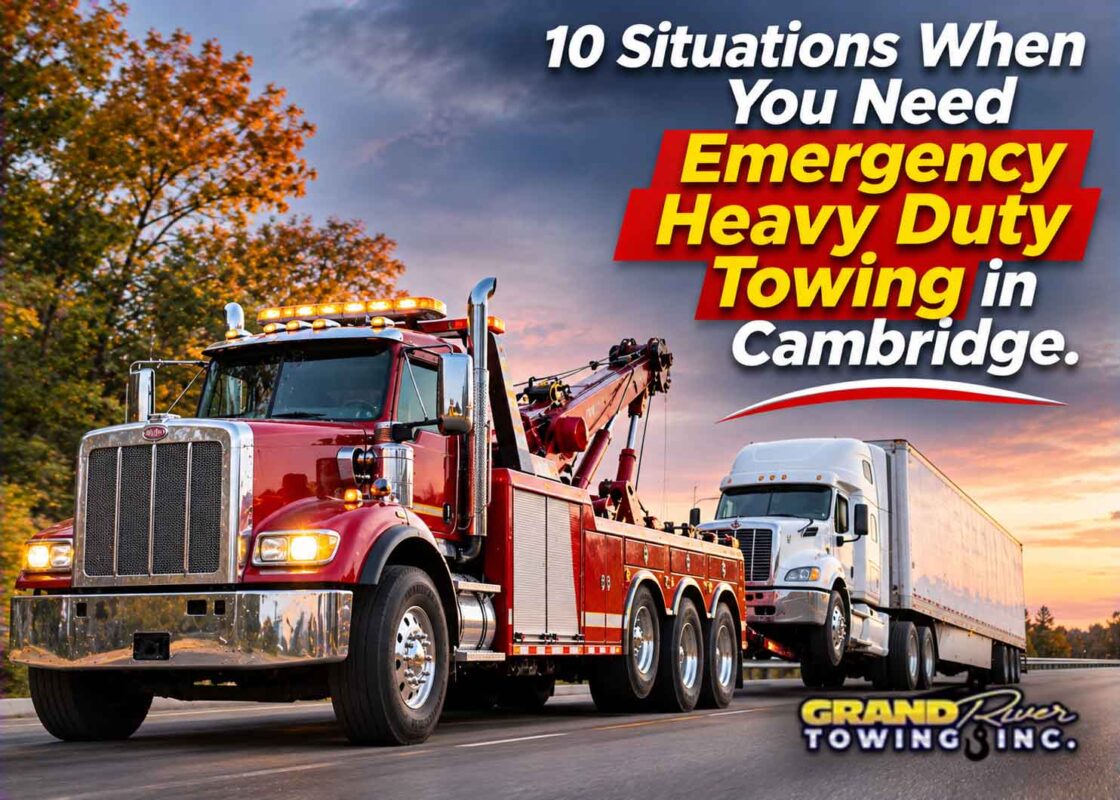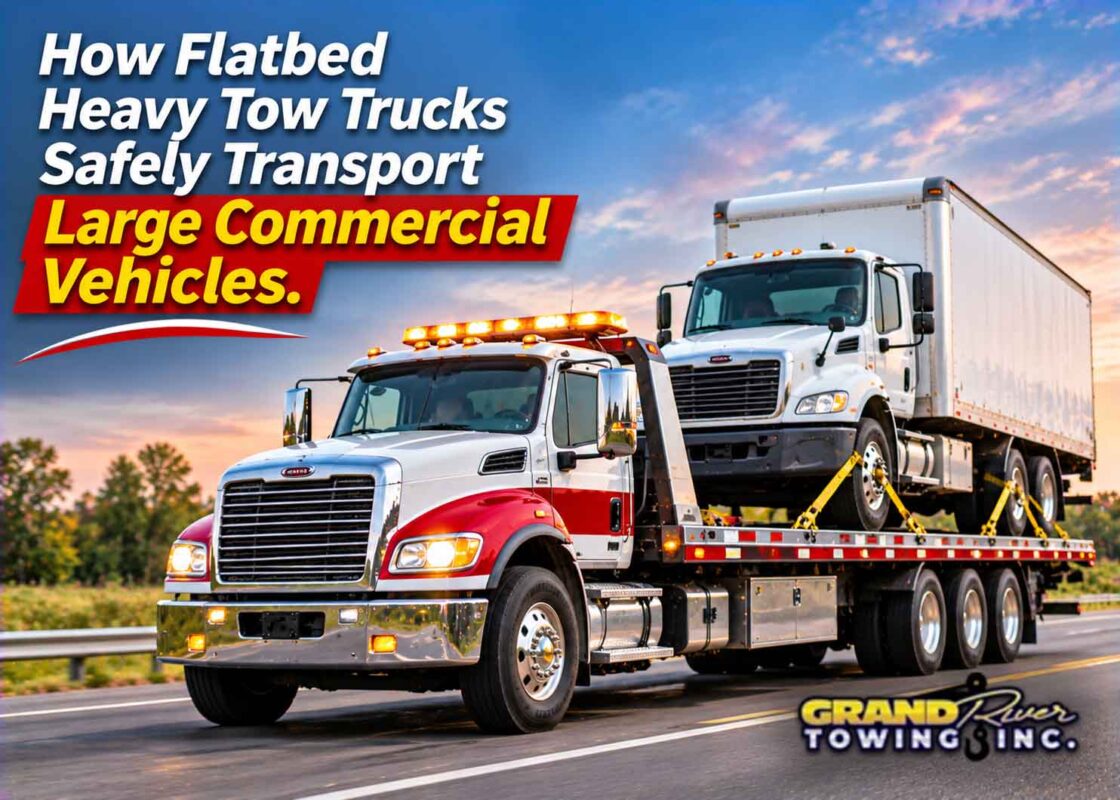
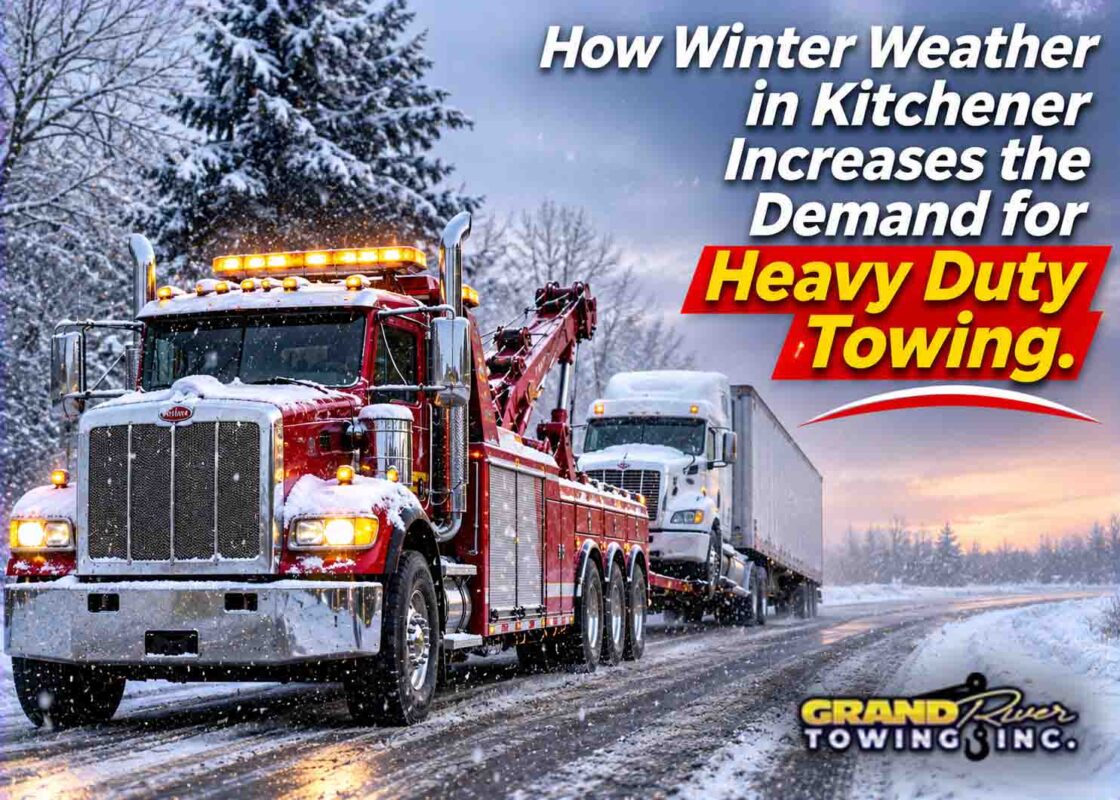
Winter doesn’t just slow down daily commutes — it puts real strain on the biggest, heaviest vehicles on the road, and the calls for Heavy Duty Towing Kitchener climb noticeably every time the snow starts falling. Jackknifed trailers, stuck trucks, and commercial vehicles sliding off icy roads all spike together during the coldest months. CAA South Central Ontario data shows roadside call volume on an average winter day runs around 3,000 calls — and heavy vehicles make up a disproportionate share of the most complex ones. This blog explains exactly why winter drives up demand and what that means for response times. newswire
Key Takeaways
- Ice and snow dramatically increase jackknife and rollover incidents involving large trucks and trailers
- Emergency Heavy Duty Towing Kitchener demand peaks during and immediately after major snow events
- Commercial vehicles stuck in snow off rural roads require significantly more winching power than passenger cars
- 24/7 Heavy Duty Towing Kitchener coverage matters most during overnight winter storms when breakdowns spike
- Booking seasonal maintenance checks before winter reduces the odds of needing emergency recovery
Table of Contents
- Why Does Winter Weather Hit Heavy Vehicles Harder?
- What Specific Incidents Spike During Winter Storms?
- How Does Demand Affect Response Times?
- What Can Fleet Owners Do to Reduce Winter Breakdowns?
- Why Does 24/7 Coverage Matter More in Winter?
Why Does Winter Weather Hit Heavy Vehicles Harder?
A heavier vehicle takes longer to stop and handles differently on ice than a passenger car, meaning the margin for error shrinks dramatically in winter conditions. Trailers can jackknife on black ice far more easily than a solo vehicle can lose control, simply due to the physics of two connected units with different traction points.
What Specific Incidents Spike During Winter Storms?
Jackknifed trailers, trucks sliding into ditches, and commercial vehicles stuck on unplowed rural routes all increase sharply during and right after a snowstorm. Winter Heavy Duty Towing Kitchener providers often see their busiest days immediately following a major snowfall, once roads refreeze overnight.
- Jackknifed trailers on highway on-ramps and exits
- Trucks sliding off the road on black ice patches
- Commercial vehicles stuck in snow on rural township roads
- Buses and transit vehicles breaking down in extreme cold
- Agricultural and construction vehicles stuck during winter work
How Does Demand Affect Response Times?
During a major winter storm, the sheer volume of calls can stretch response times even for well-equipped providers, which is why calling early rather than waiting matters. Emergency Heavy Duty Towing Kitchener teams typically prioritize based on safety risk — a jackknifed trailer blocking a highway lane gets attention before a stuck vehicle on a quiet side road.
What Can Fleet Owners Do to Reduce Winter Breakdowns?
Pre-winter inspections focused on brakes, tires, and battery condition catch many of the issues that would otherwise cause a winter breakdown. Fleet operators who schedule this proactively see noticeably fewer emergency calls through the coldest months.
| Pre-winter check | Why it matters |
| Brake inspection | Cold weather and ice demand more from braking systems |
| Tire tread and pressure | Reduced traction risk compounds in snow and ice |
| Battery test | Cold weather is the leading cause of winter battery failure |
| Trailer hitch and coupling | A loose connection is a major jackknife risk factor |
Why Does 24/7 Coverage Matter More in Winter?
Winter breakdowns don’t wait for business hours — a jackknifed trailer at 3 a.m. during a snowstorm needs response just as urgently as one at noon. 24/7 Heavy Duty Towing Kitchener coverage is specifically built around this reality, since overnight storms are often when the most serious incidents happen.
Preparing for winter or dealing with a heavy vehicle breakdown right now? Contact Grand River Towing for fast, round-the-clock heavy duty towing across Kitchener.
Frequently Asked Questions
Why do jackknife incidents happen more in winter?
Ice reduces traction unevenly between a truck’s cab and its trailer, making it easier for the trailer to swing out of alignment during braking or turning. This is far less likely to happen on dry pavement.
Does winter towing cost more than other seasons?
Pricing can be higher during major storms due to demand and more complex recovery conditions, though this varies by provider. Booking preventive maintenance before winter reduces the odds of needing an emergency call at all.
How quickly can a stuck commercial vehicle be recovered in snow?
It depends on how deeply stuck the vehicle is and current road conditions, but a well-equipped heavy-duty provider can typically recover a stuck vehicle within an hour or two of arrival.
Should I call for towing immediately if my truck gets stuck in snow?
Yes, especially if the vehicle is blocking a roadway or creating a safety hazard. Waiting often means the situation gets worse, especially if more snow or freezing temperatures are expected.
Do heavy duty towing companies operate during major snowstorms?
Reputable 24/7 providers, including Grand River Towing, continue operating through storms, though response times may be longer during peak demand. Confirm availability directly if conditions are severe.