When a vehicle needs to move but can’t be driven safely, how it gets transported matters just as much as who shows up to do it. Flatbed Towing Kitchener services exist because lifting a vehicle entirely off the road eliminates risks that other towing methods simply can’t avoid. This blog explains why flatbed transport is widely considered the safest method available, how it actually protects your vehicle, and when it’s the right call.
Key Takeaways
- Flatbed towing eliminates road contact entirely, removing wear, drivetrain stress, and tire risk during transport
- Professional Flatbed Towing Kitchener services suit nearly any vehicle type, from standard cars to modified or lowered vehicles
- Unlike wheel-lift towing, a flatbed never puts strain on a vehicle’s transmission or axles
- A Flatbed Tow Truck Kitchener is often required, not optional, for all-wheel-drive and luxury vehicles
- The slightly higher cost of flatbed towing reflects genuinely lower risk to the vehicle being moved
Table of Contents
- What Makes Flatbed Towing Fundamentally Different?
- Why Is Flatbed Safer Than Wheel-Lift Towing?
- Which Vehicles Actually Require Flatbed Transport?
- How Does the Flatbed Loading Process Work?
- Is Flatbed Towing Worth the Extra Cost?
What Makes Flatbed Towing Fundamentally Different?
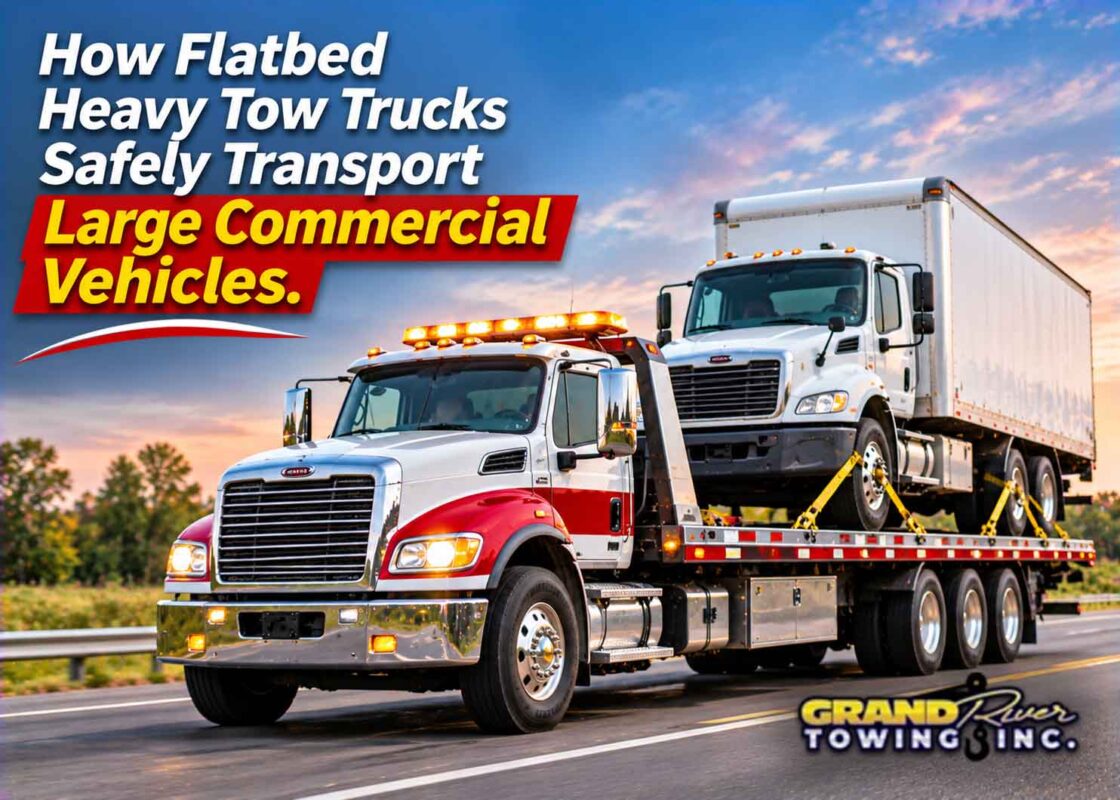
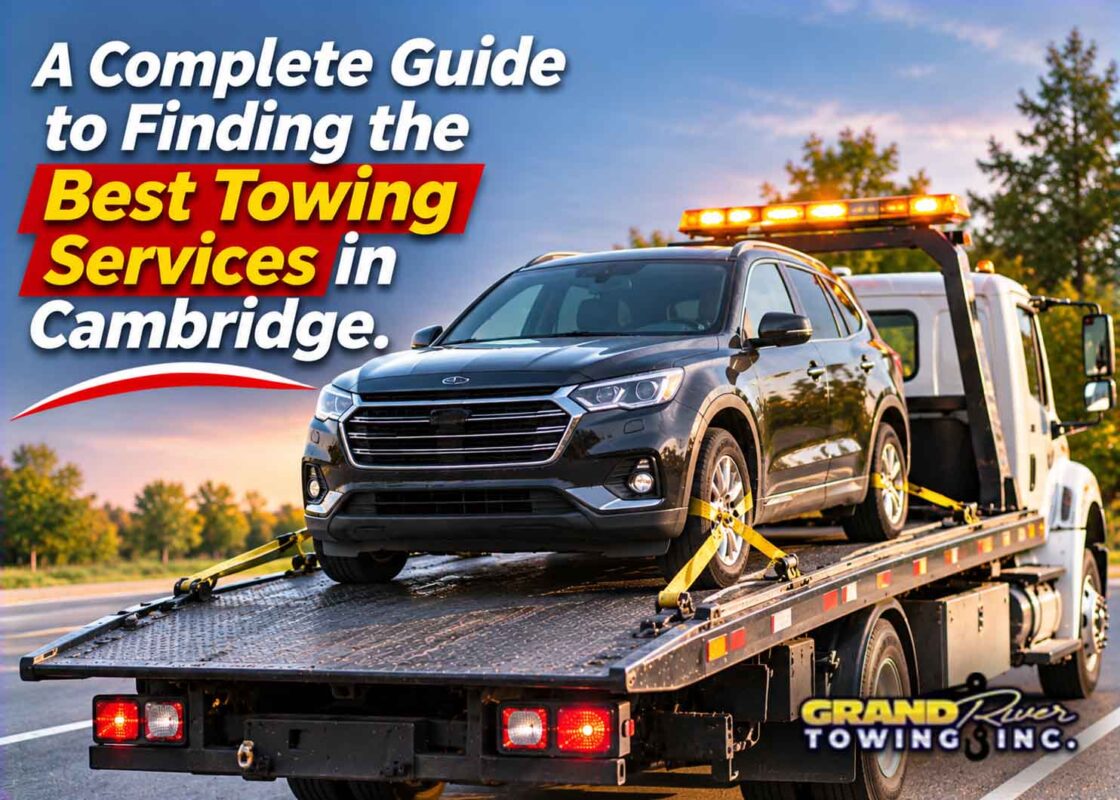
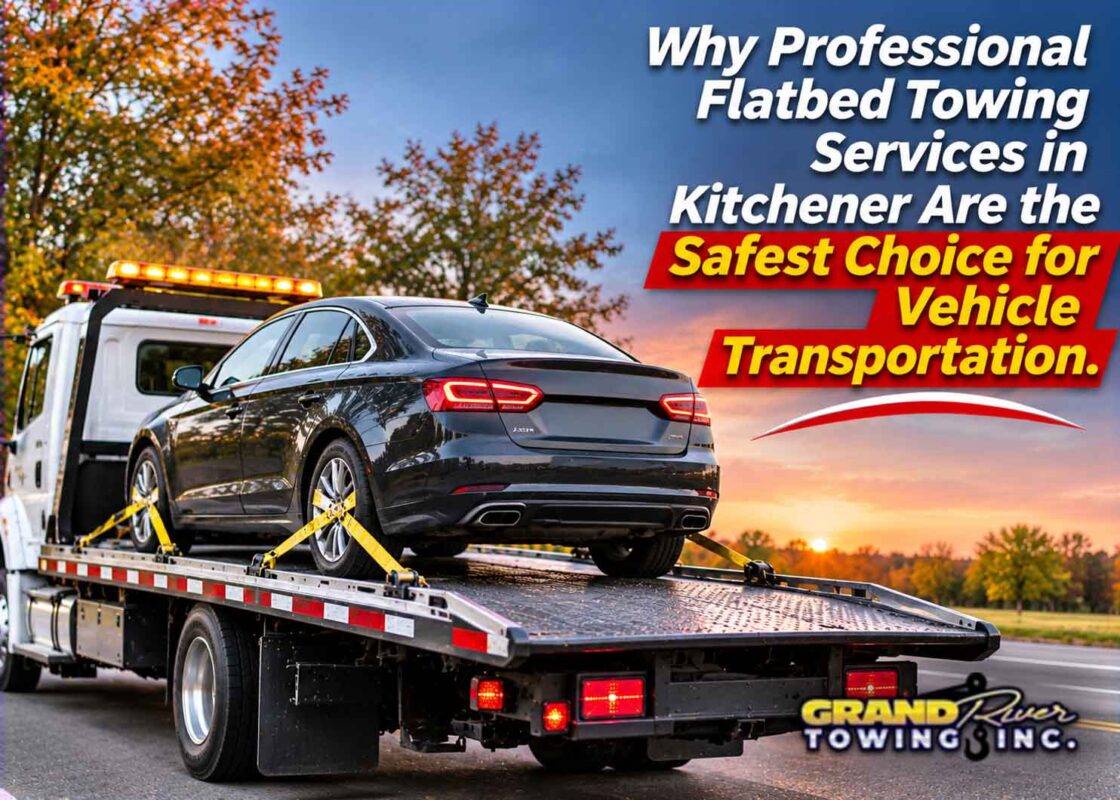
A flatbed lifts the entire vehicle off the ground onto a flat deck, meaning no part of the vehicle touches the road during transport at all. This is fundamentally different from wheel-lift towing, which keeps two wheels on the ground and relies on the vehicle’s own tires and suspension during the tow.
Why Is Flatbed Safer Than Wheel-Lift Towing?
Since the vehicle never touches the road, there’s no risk of tire damage, drivetrain wear, or suspension stress during transport, all common issues with wheel-lift methods, especially over longer distances. Flatbed Towing Kitchener providers also avoid the risk of a vehicle swaying or shifting that comes with partial-contact towing methods.
For a vehicle that’s already damaged, flatbed transport avoids compounding that damage further during the trip to a shop or storage location.
Which Vehicles Actually Require Flatbed Transport?
All-wheel-drive and four-wheel-drive vehicles generally require flatbed towing, since wheel-lift methods can damage the drivetrain by moving only some wheels while others stay stationary. Lowered or modified vehicles, luxury cars, and anything with limited ground clearance also typically need flatbed transport to avoid scraping or damage.
| Vehicle type | Flatbed required? |
| All-wheel-drive / 4WD | Yes, prevents drivetrain damage |
| Lowered or modified vehicles | Yes, avoids ground clearance issues |
| Standard front/rear-wheel drive | Often optional, but still safest |
| Vehicles with existing damage | Yes, avoids compounding the damage |
How Does the Flatbed Loading Process Work?
The deck lowers to ground level, the vehicle is driven or winched on, and it’s secured with straps at all four wheels before transport begins. A Flatbed Tow Truck Kitchener operator checks the securement carefully before moving, since a shifted vehicle mid-transport is both a safety and liability risk.
Is Flatbed Towing Worth the Extra Cost?
The modest price difference compared to wheel-lift towing is minor compared to the cost of drivetrain damage or further harm to an already-damaged vehicle. Professional Flatbed Towing Kitchener services consider this a worthwhile trade-off for nearly any vehicle, and it’s often the only insurable option for certain vehicle types.
Need your vehicle moved safely and professionally? Contact Grand River Towing for reliable flatbed towing anywhere in Kitchener.
Frequently Asked Questions
Is flatbed towing always more expensive than wheel-lift towing?
Usually slightly, yes, reflecting the equipment and loading time involved. For vehicles that require flatbed transport specifically, this isn’t really a choice, since wheel-lift methods risk damage.
Can a flatbed truck tow a vehicle that’s already in an accident?
Yes, and it’s generally the recommended method for accident-damaged vehicles, since there’s no risk of further damage from road contact during transport.
Do all-wheel-drive vehicles really need flatbed towing?
In most cases, yes. Towing an AWD vehicle on only two wheels can damage the drivetrain since power is meant to be distributed across all four wheels simultaneously.
How long does flatbed loading typically take?
A straightforward loading usually takes 10 to 20 minutes. A non-running or difficult-to-access vehicle may take longer if winching is required.
Will flatbed towing work for a lowered or modified car?
Yes, flatbed is actually the preferred method for lowered vehicles, since it avoids the scraping or clearance issues that can happen with other towing methods.